Environments
Forest
Where bush, birdsong and building meet
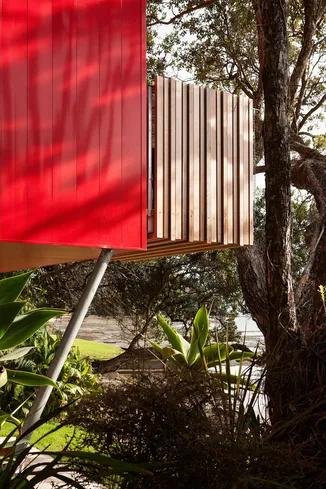
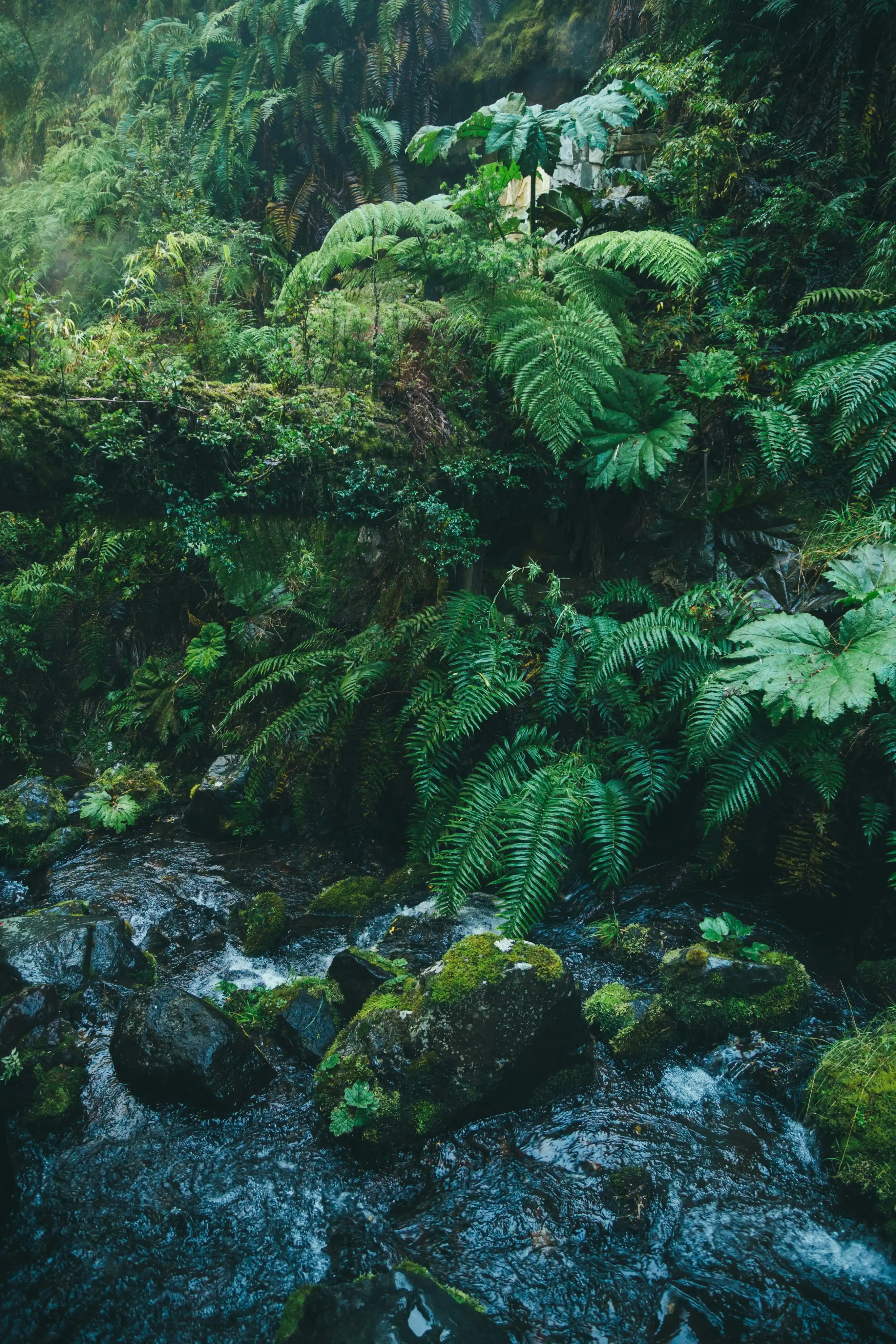
Forest living in New Zealand is shaped by enclosure rather than exposure. Light is filtered. Sound is softened.
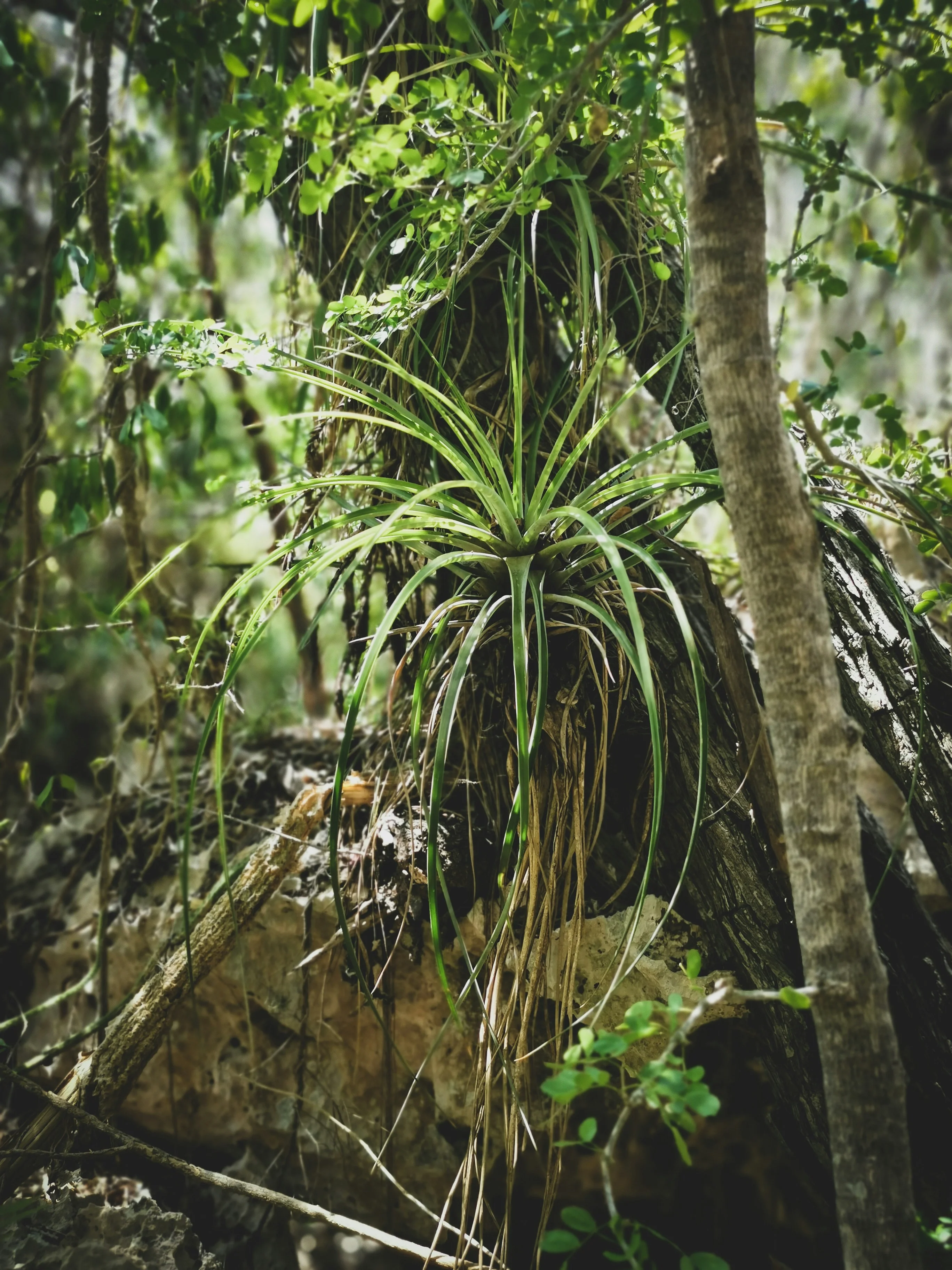
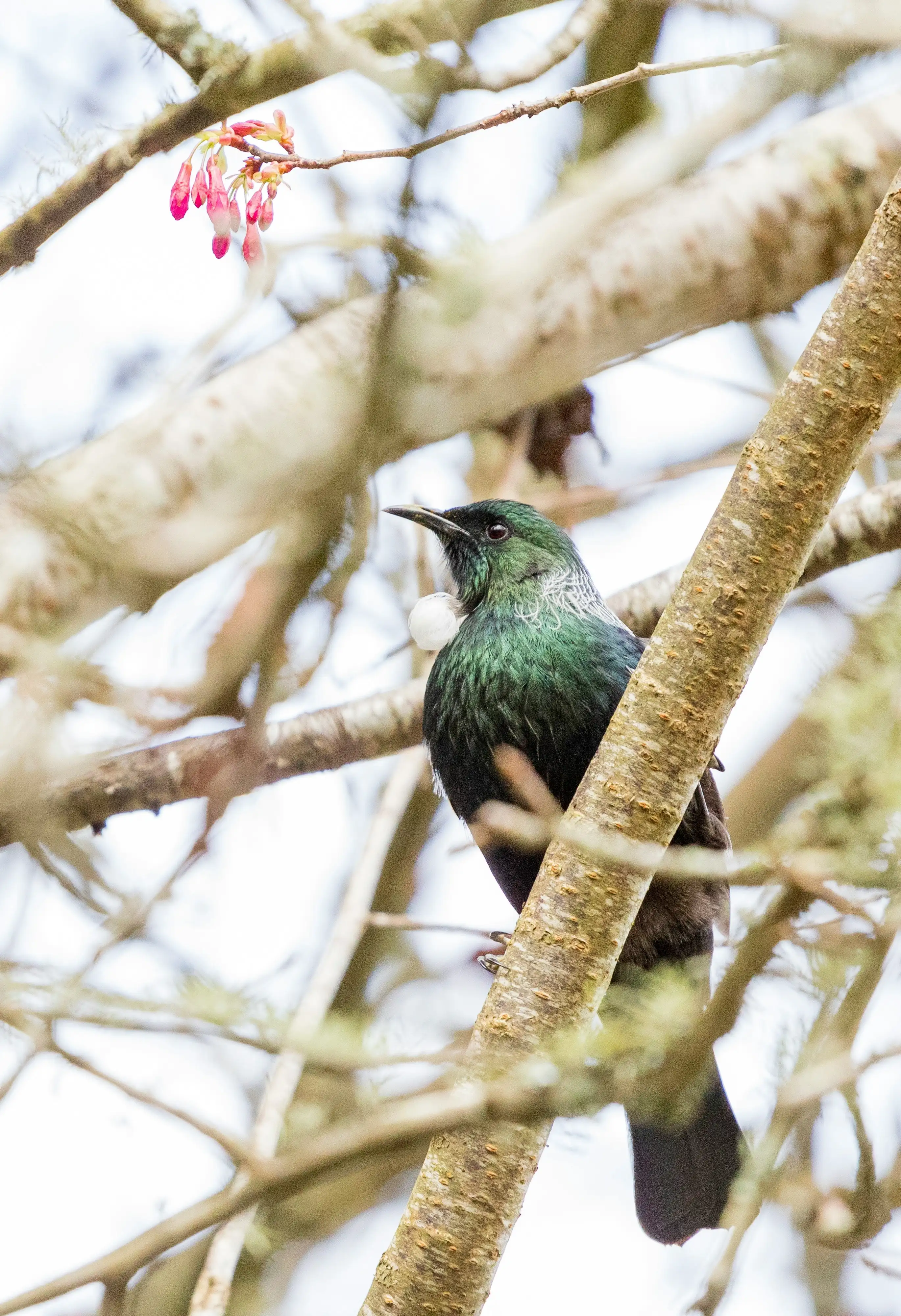
The landscape is close. Trees, earth, shadow and growth pressing in around the building.
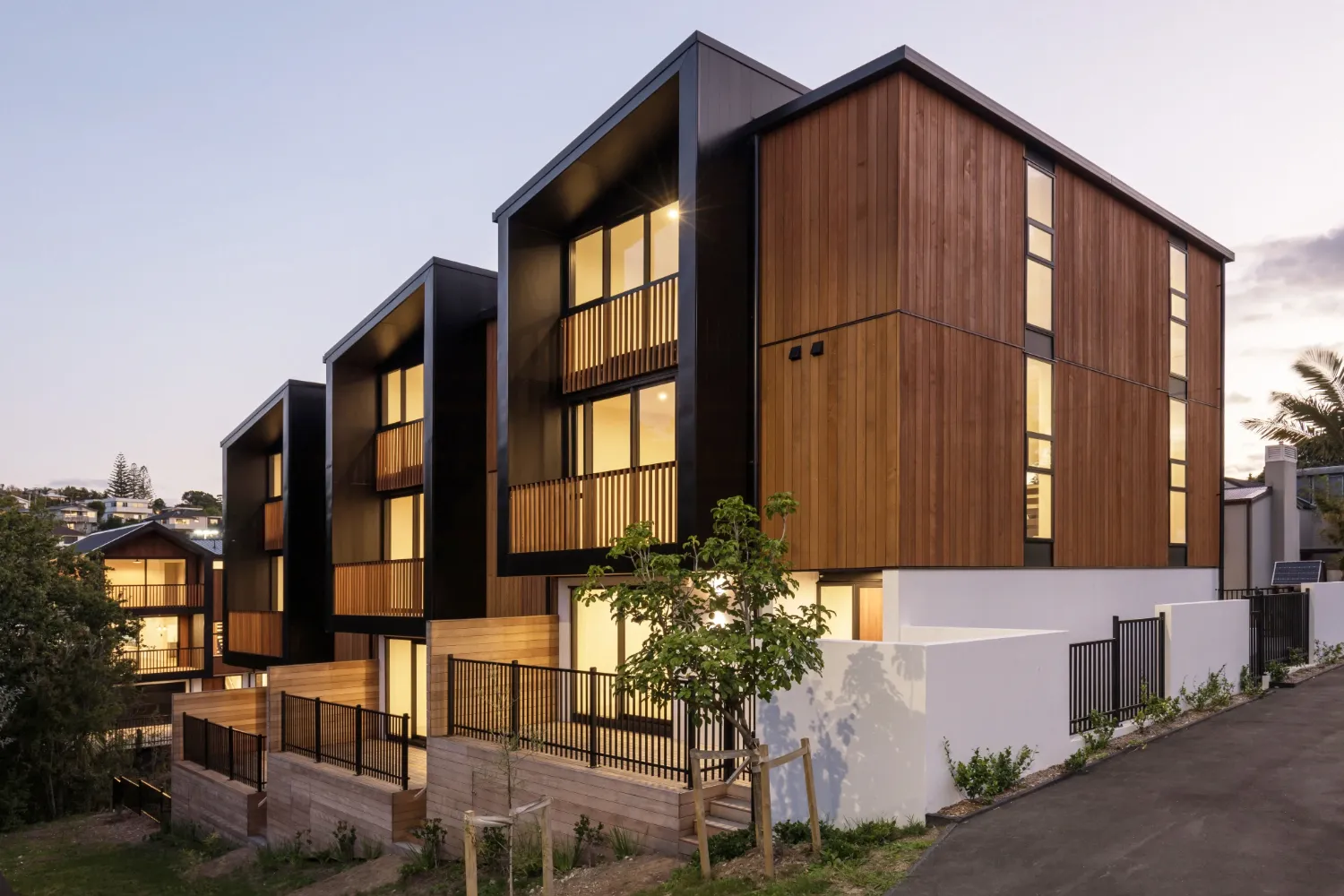
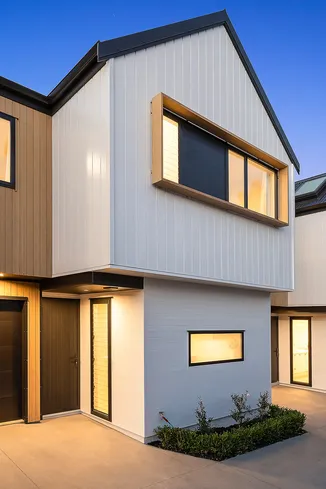
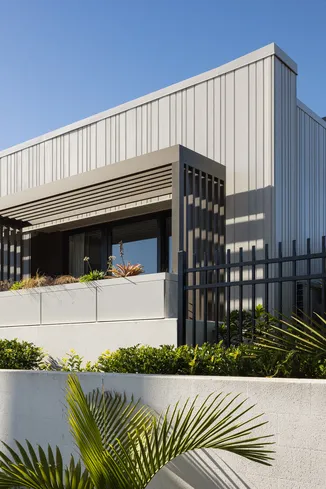
From rural homes and bush retreats to forest-edge residences, these are places where architecture works best when it doesn’t compete. The goal isn’t to stand out, but to belong. To sit quietly within the landscape and age alongside it.
Forest environments reward restraint. They favour materials that settle in, weather gently, and feel grounded over time.
Low maintentance
Where quiet living matters most
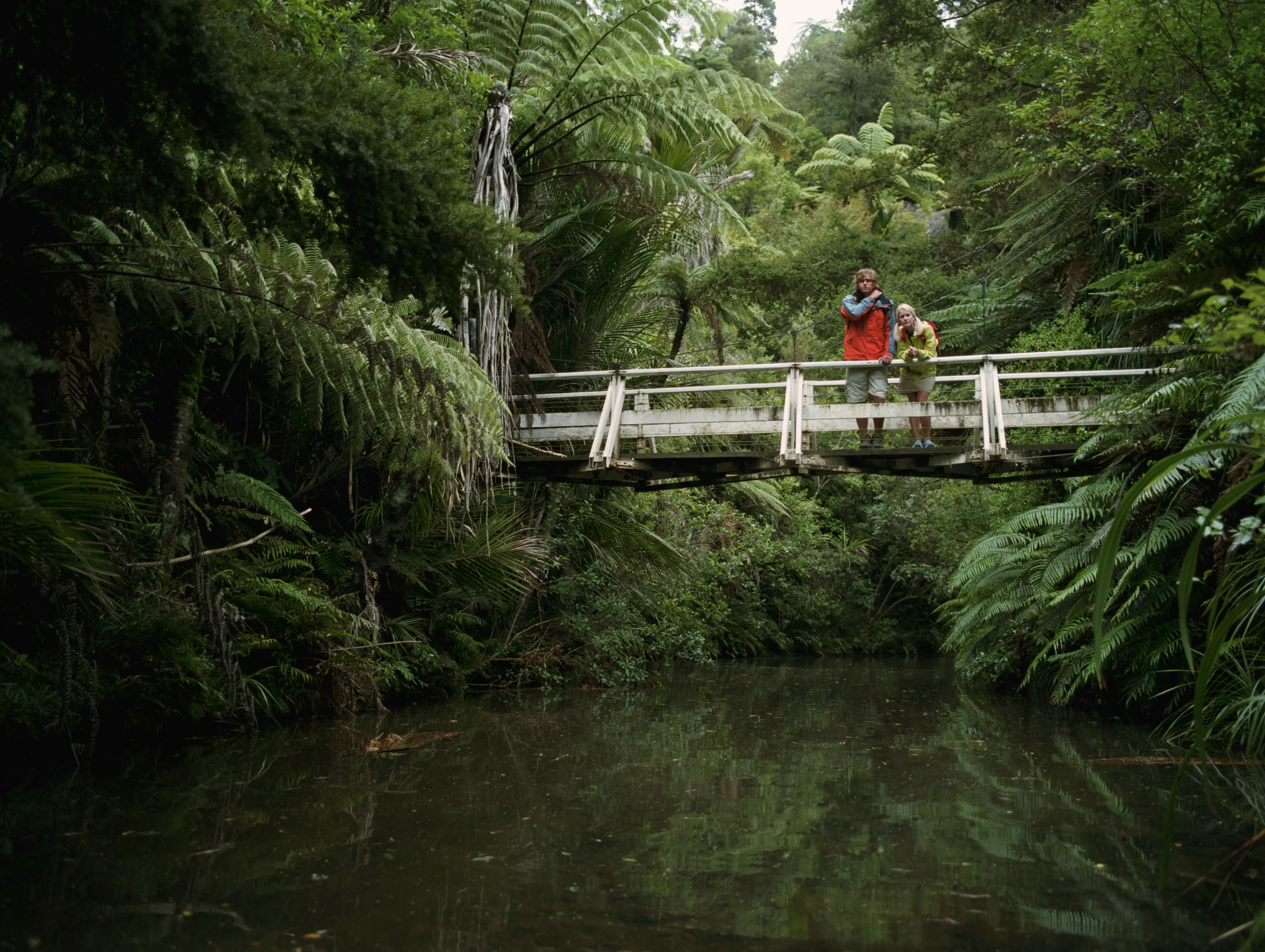
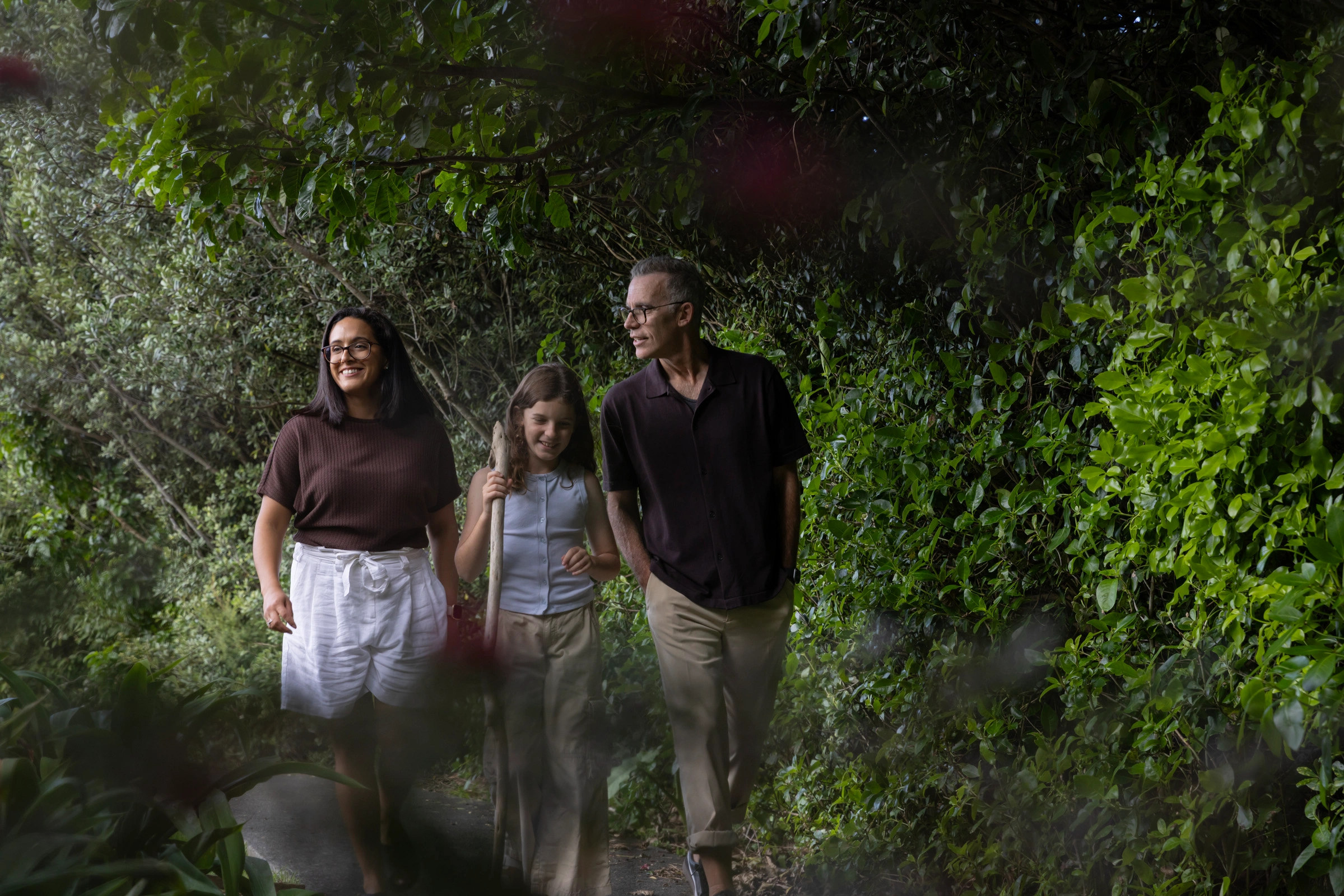
Forest homes are often places to slow down, retreats from noise, pace and visual clutter.
Here, buildings are lived with closely. Surfaces are touched, brushed past, and seen at arm’s length. Leaves fall. Pollen settles. Moisture lingers longer. Maintenance is part of life, but it shouldn’t dominate it. Materials that cope quietly without demanding constant attention and allow the focus to stay on living well within the landscape.
Colour
Colour that knows when to step back
In forest settings, colour behaves differently. Light is broken by foliage. Contrast is softened. Bold tones can feel intrusive.
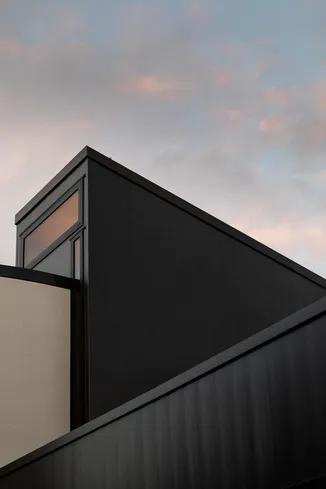
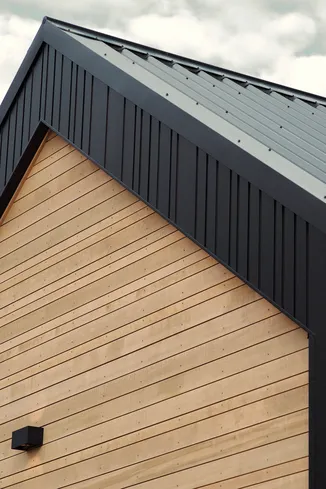
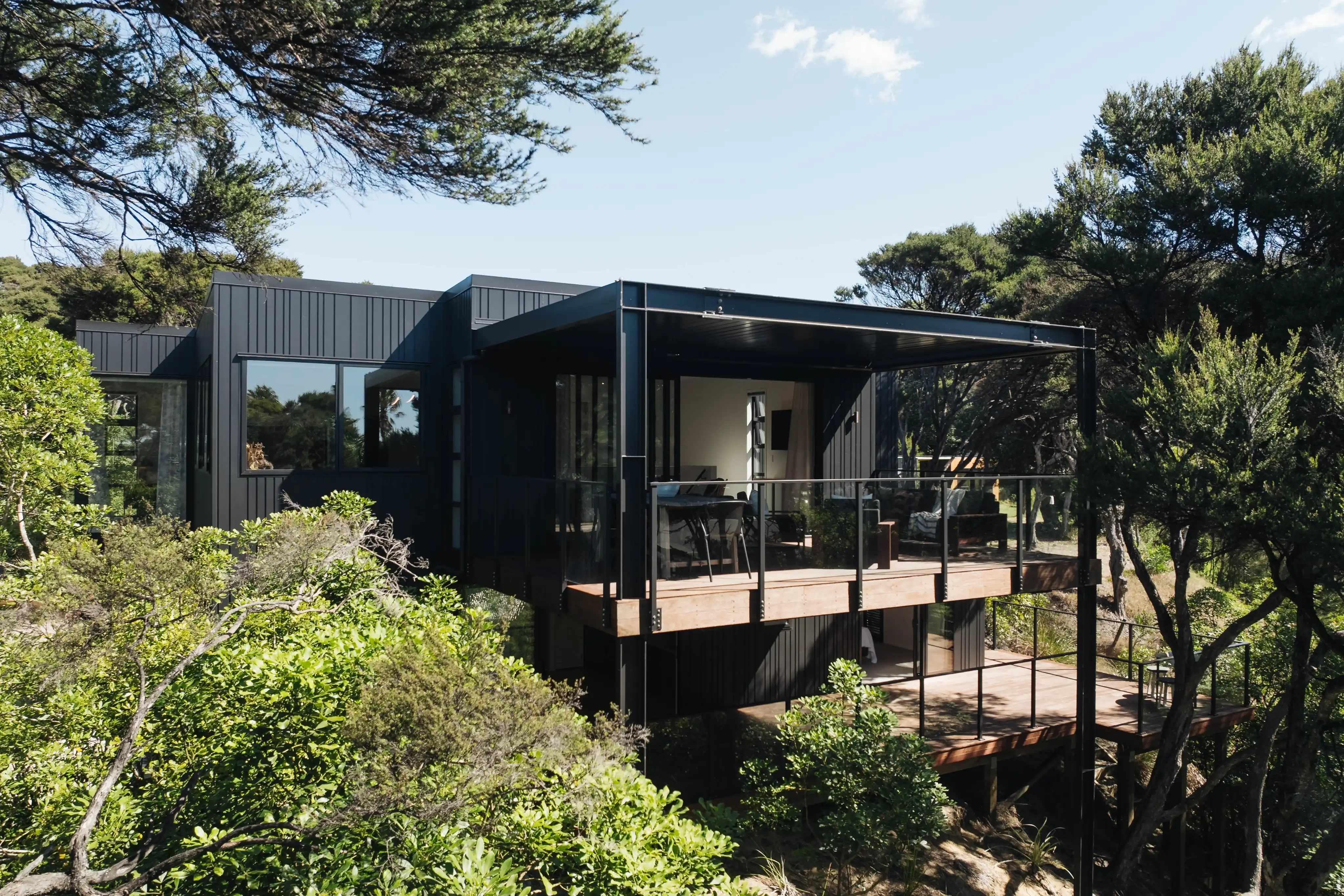
Forest palettes favour depth over brightness. Earthy greens, bronzes, charcoals and shadowed neutrals help buildings recede into their surroundings, pairing naturally with timber, stone and concrete.
These colours don’t mimic the landscape, they resonate with it, allowing architecture to feel calm and settled rather than imposed.
Finishes
Surfaces that live close to nature
Forest environments reveal wear slowly, but persistently. Moisture, debris and limited sun exposure test finishes in quieter ways.
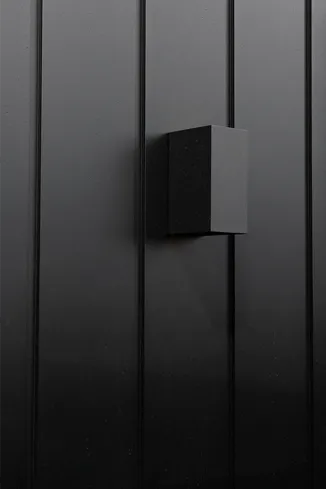
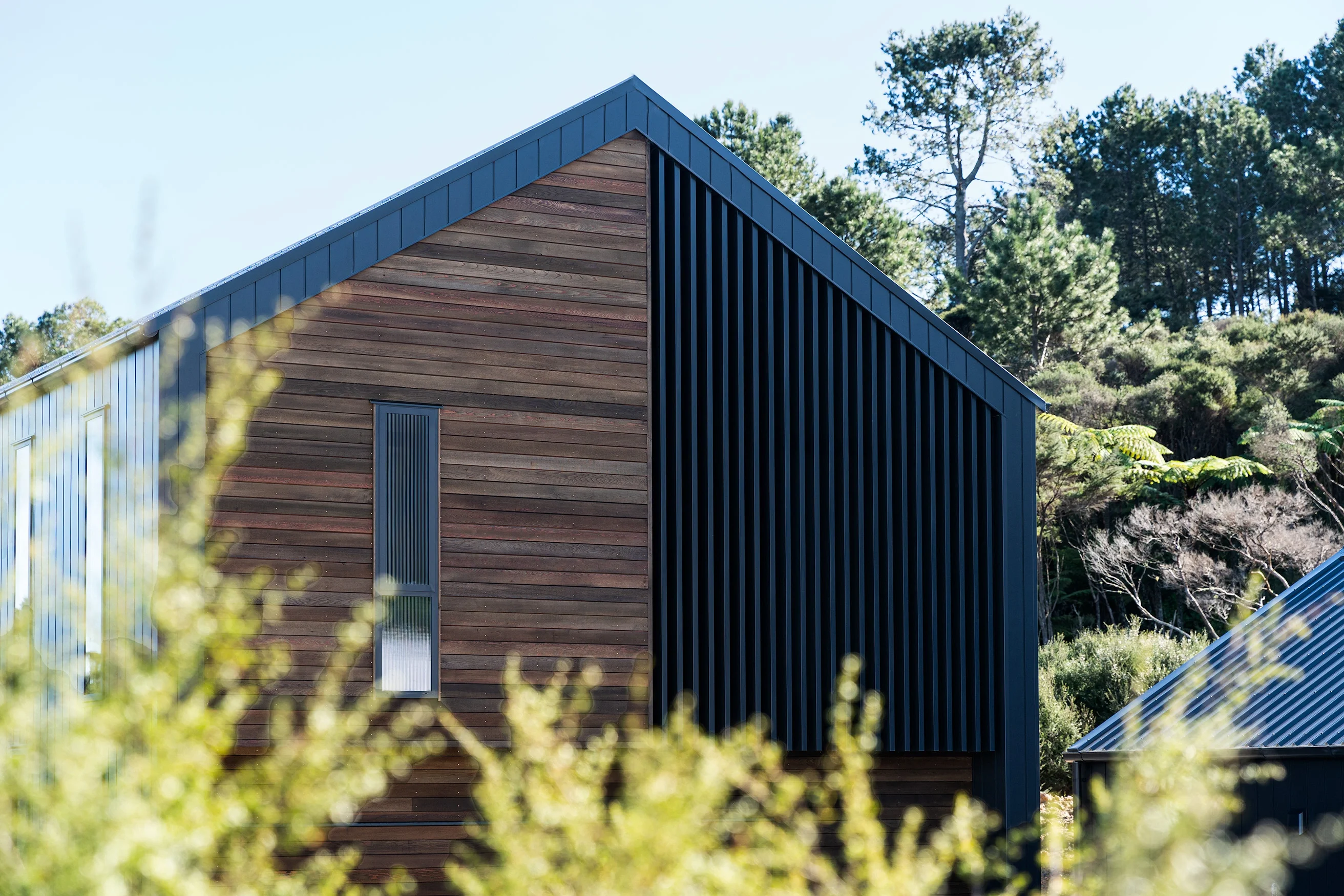
Textured finishes perform well here helping conceal pollen, dust and organic residue while softening reflected light. They maintain visual consistency between cleans and age more gracefully in shaded conditions.
The focus isn’t perfection, it’s surfaces that continue to feel considered, even as the landscape changes around them.
Architectural Intent
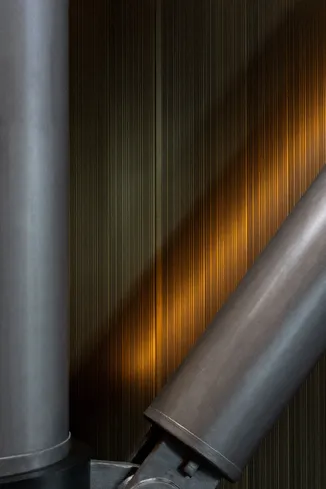
Lines shaped by light
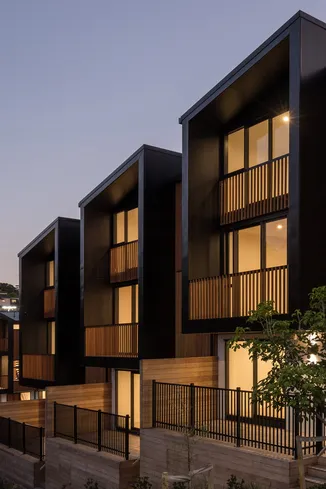
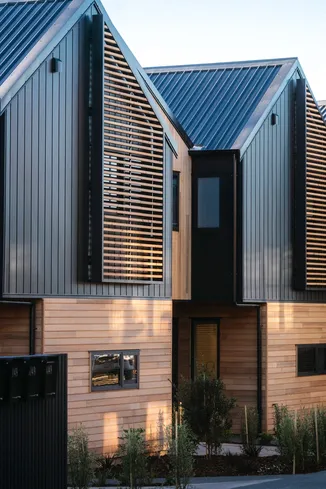
Forest architecture often favours solidity and restraint. Simple forms. Repetition. Rhythm that feels deliberate rather than decorative.
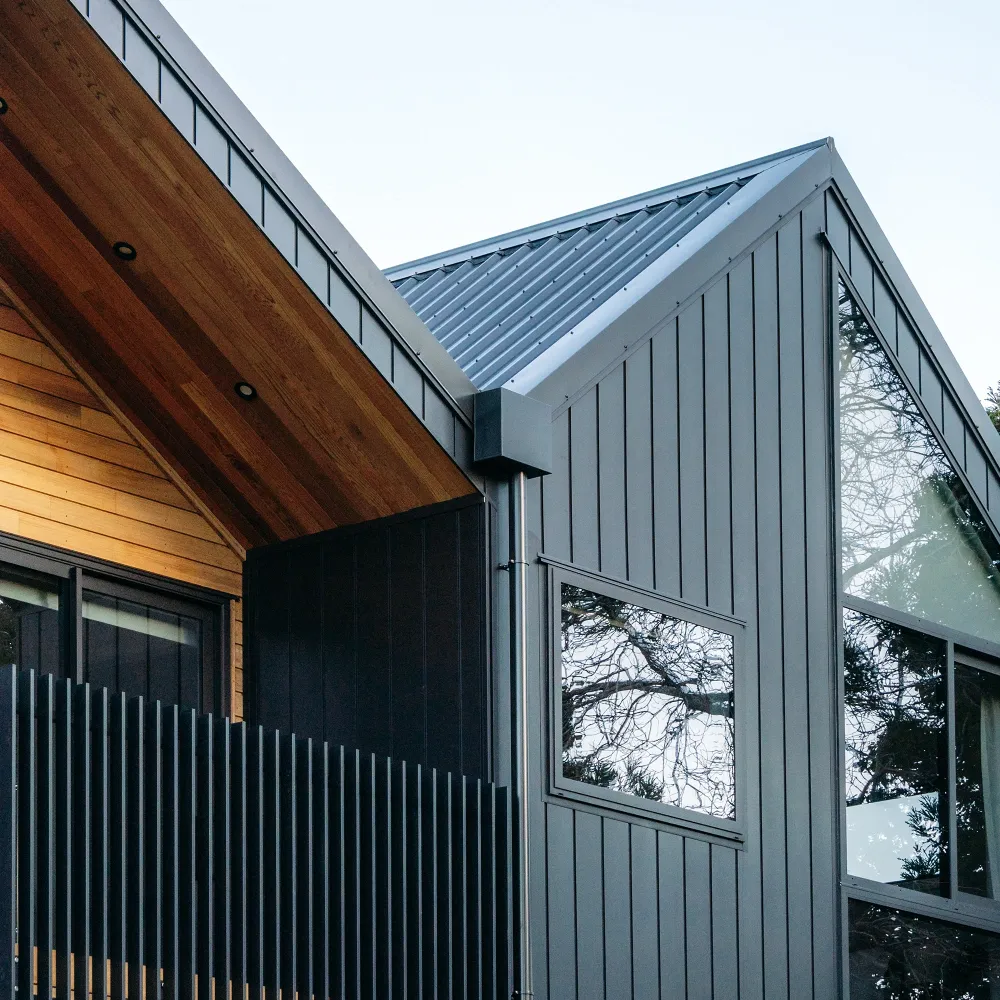
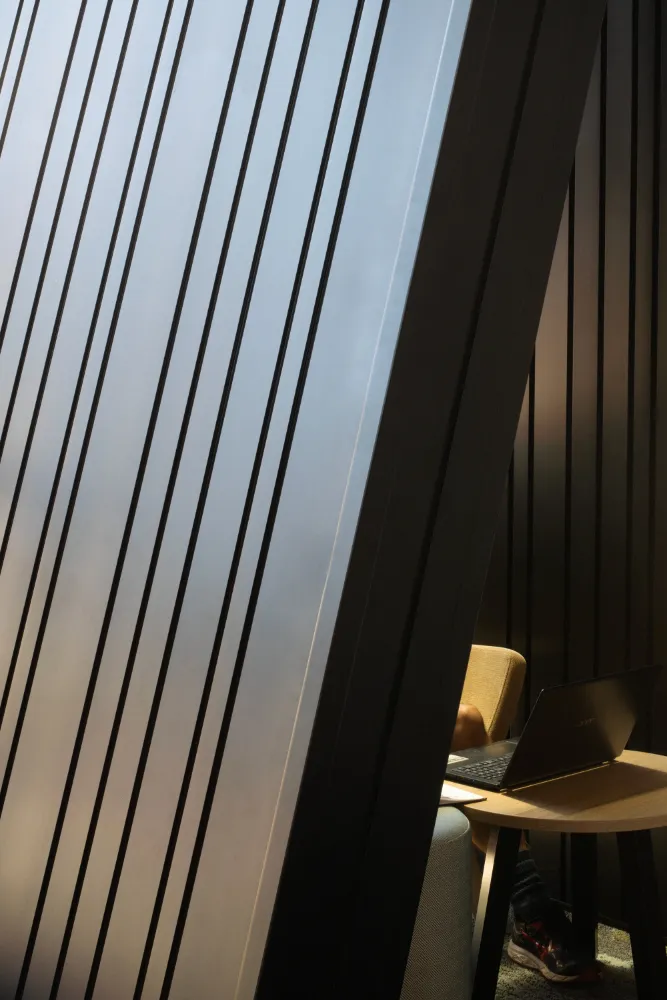
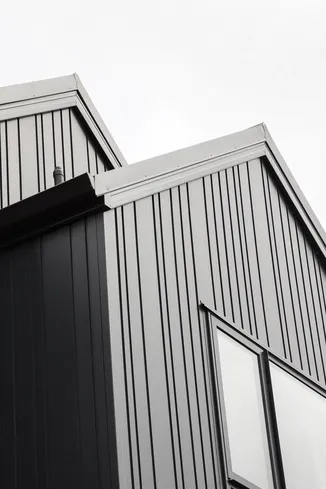
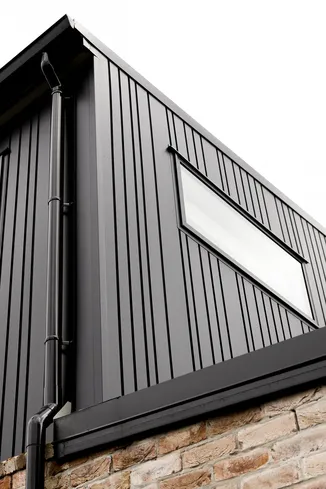
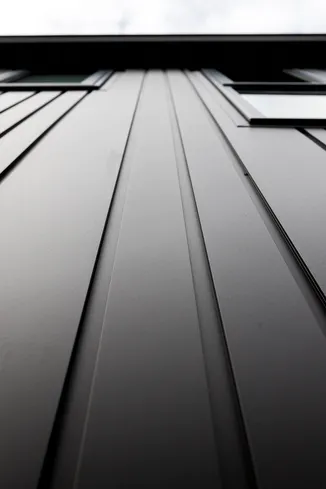
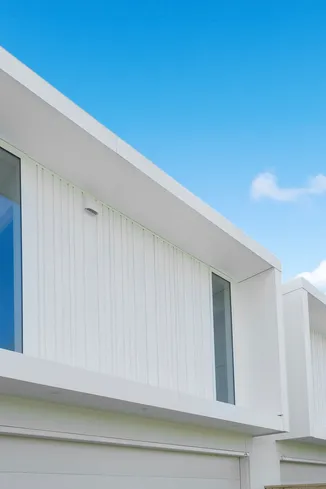
Nu Wall profiles support this approach by creating depth and shadow without unnecessary detail. Lines remain clear, but the overall expression stays calm, allowing the building to sit comfortably within its setting.

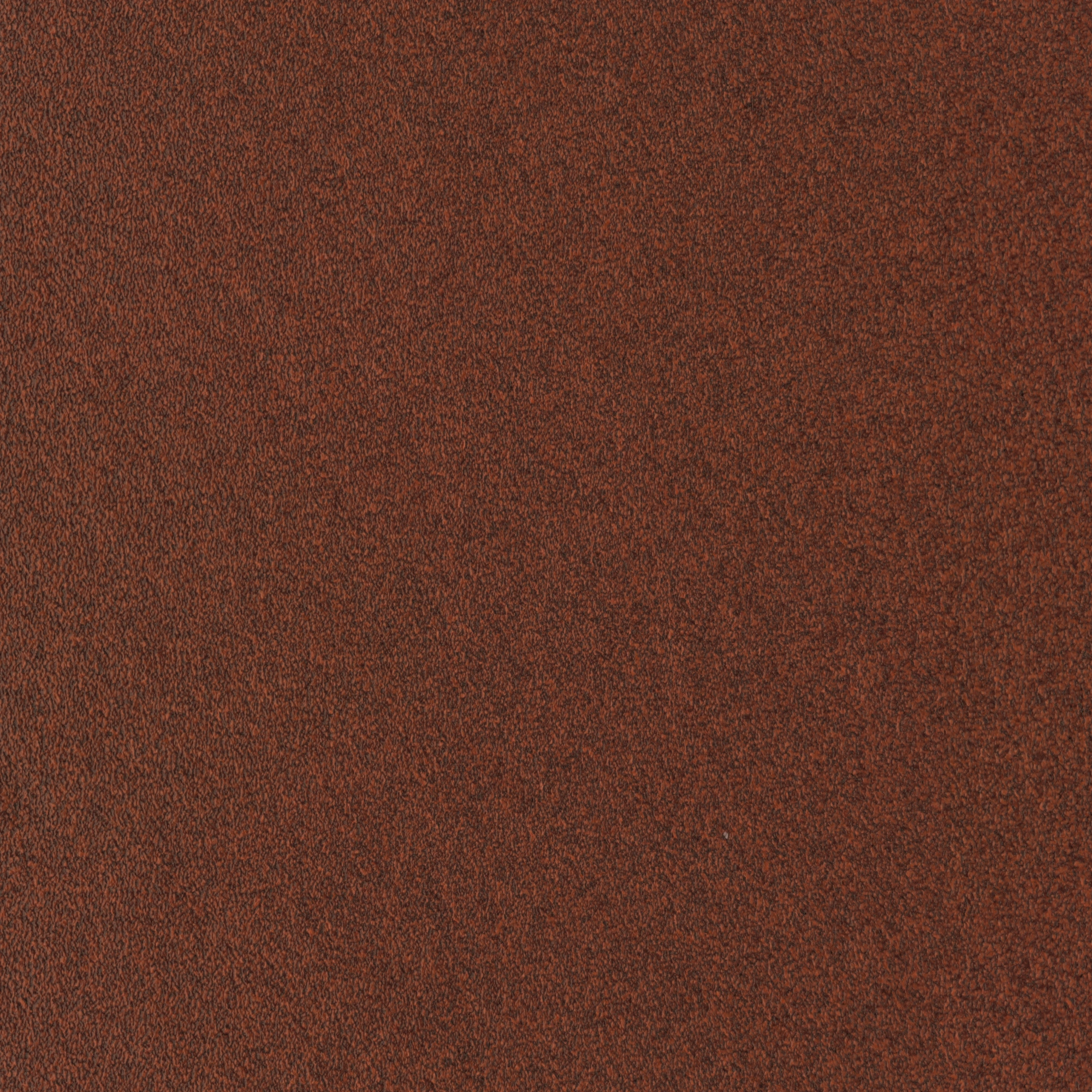


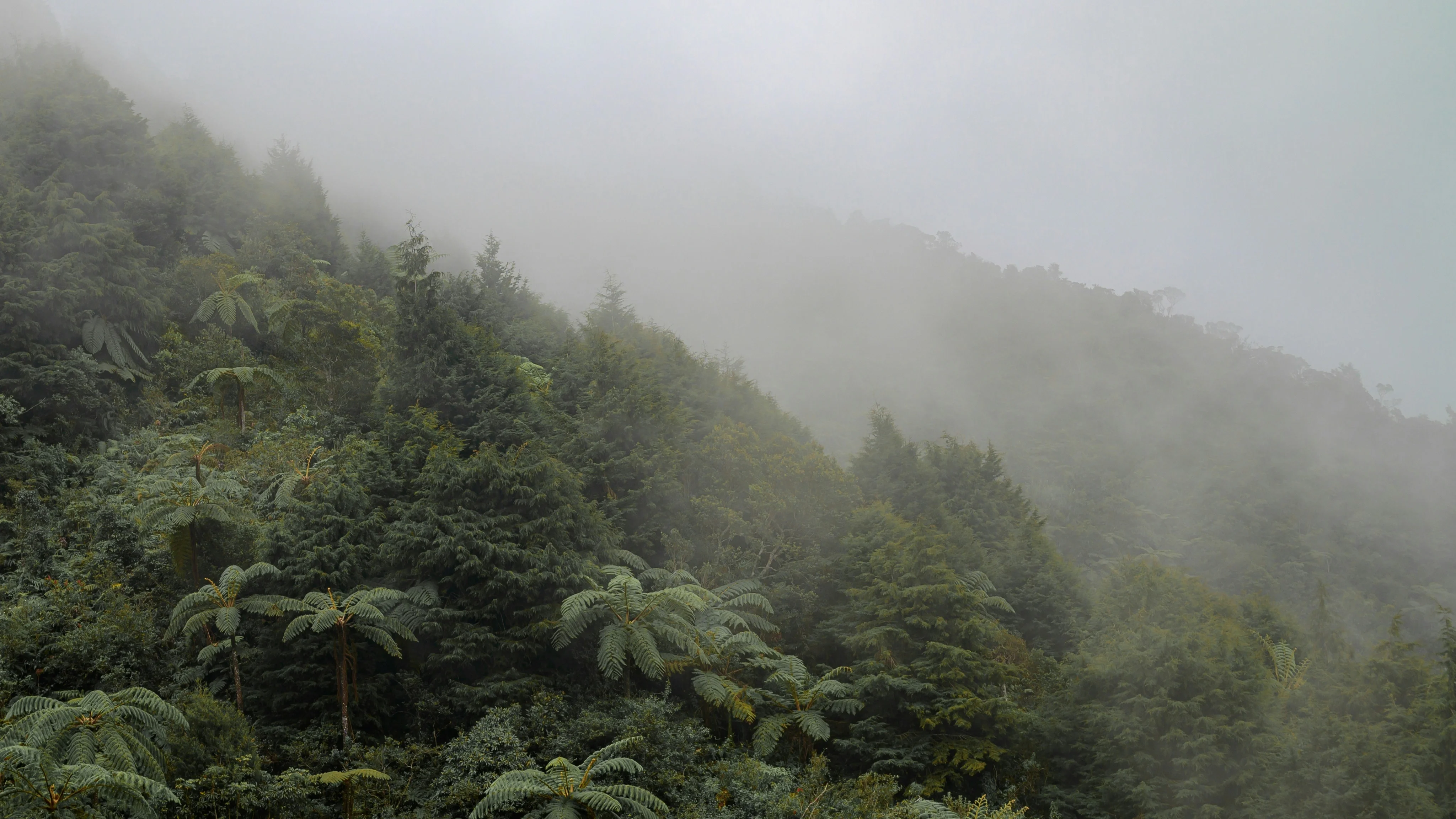
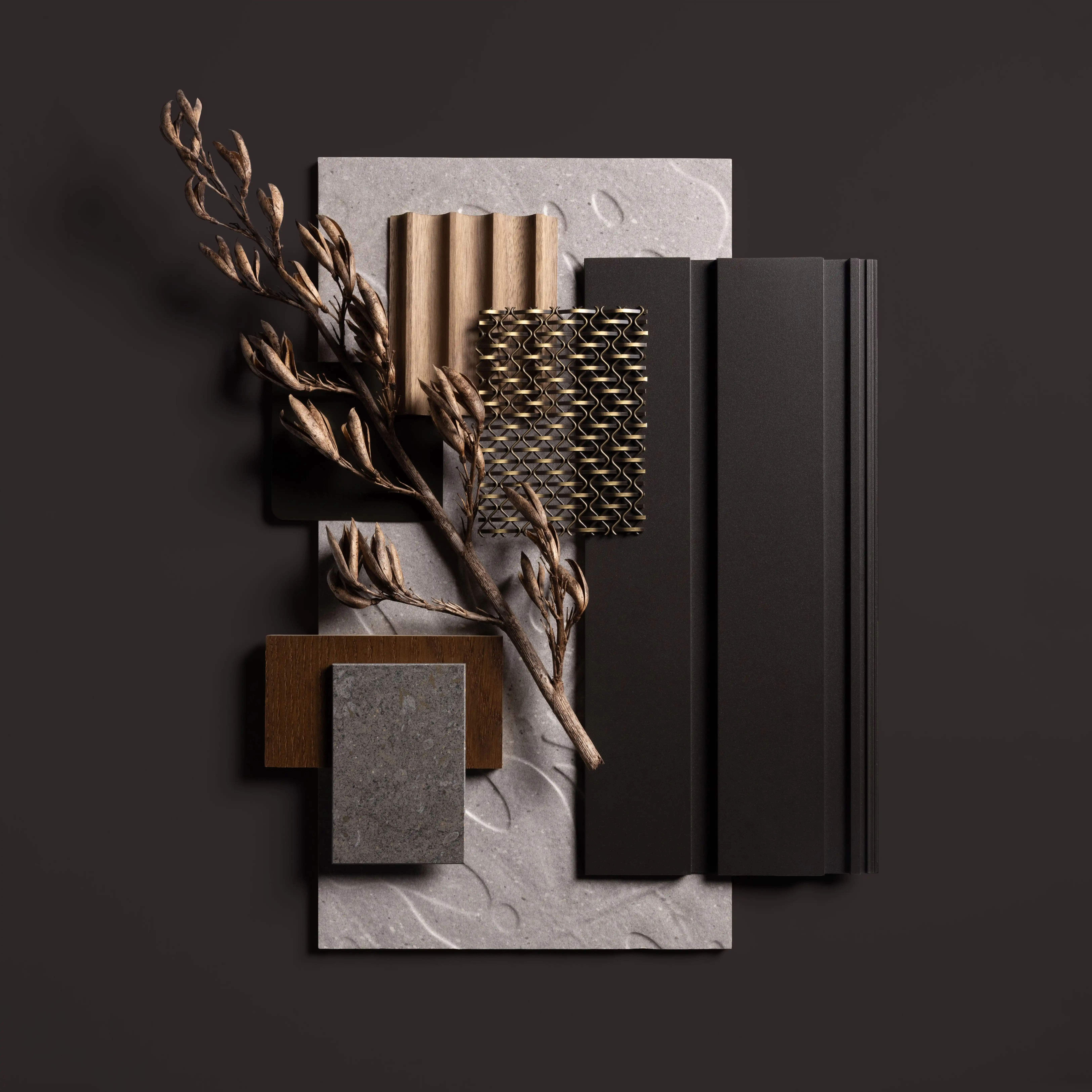
Softly shaped by light and landscape
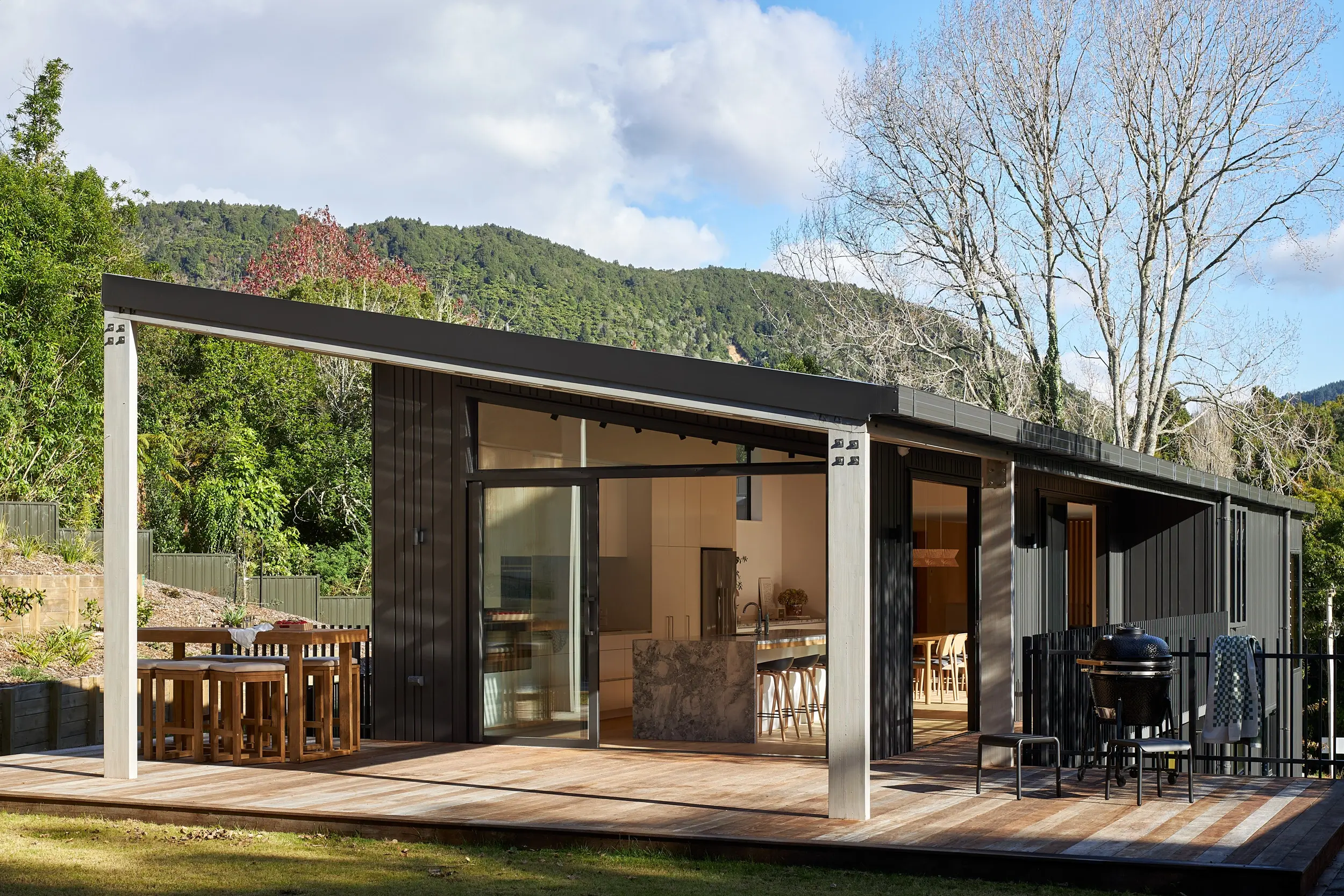
Forest environments have a way of softening everything around them. Gentle neutrals, weathered textures and natural materials capture that same sense of calm, creating architecture that feels restorative, timeless and deeply connected to place.
Featured
Profile
Nu Wall E100
Colour
Dulux Duratec Textured Ironsand
Interior Designer
Northspace
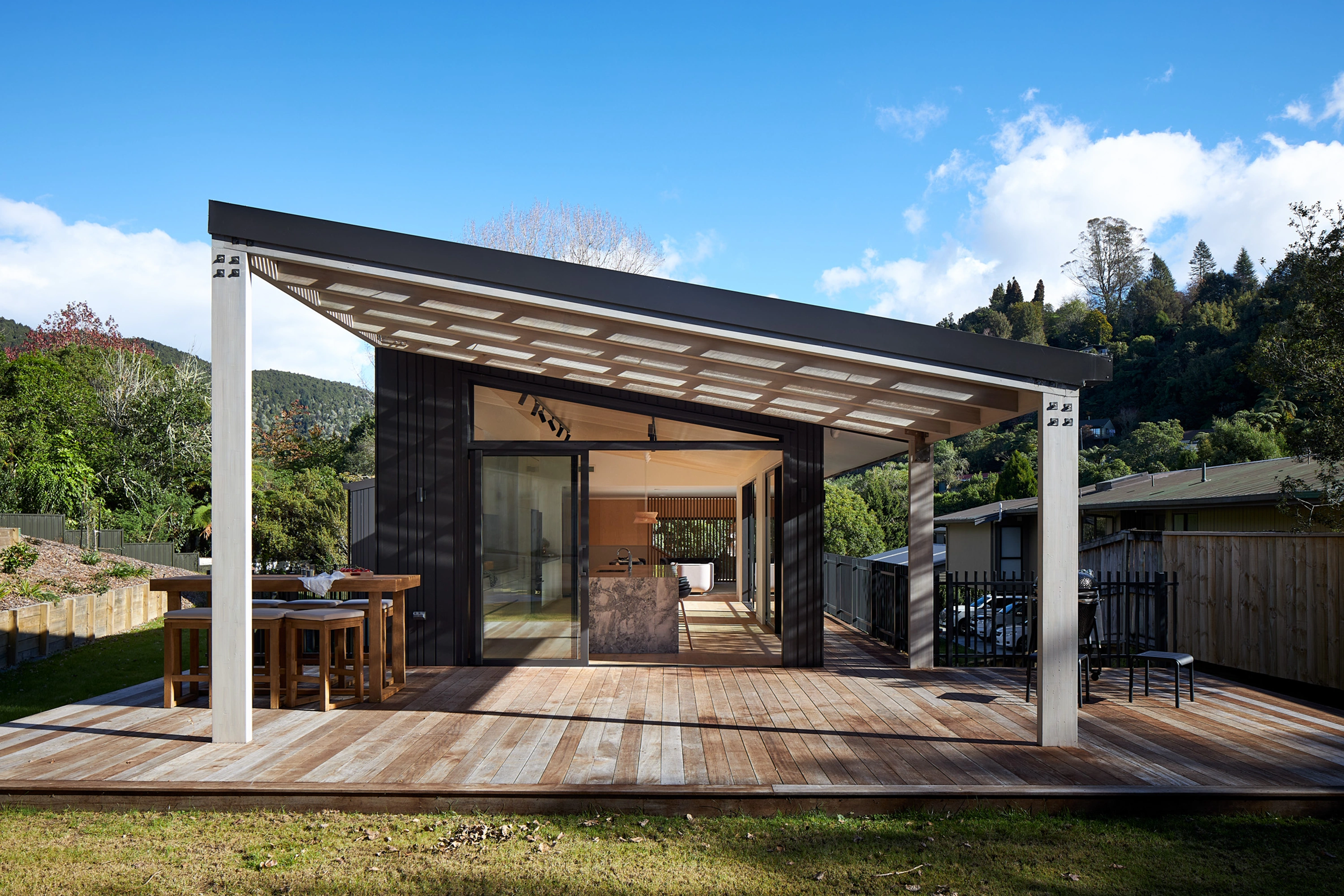
Owl's Retreat
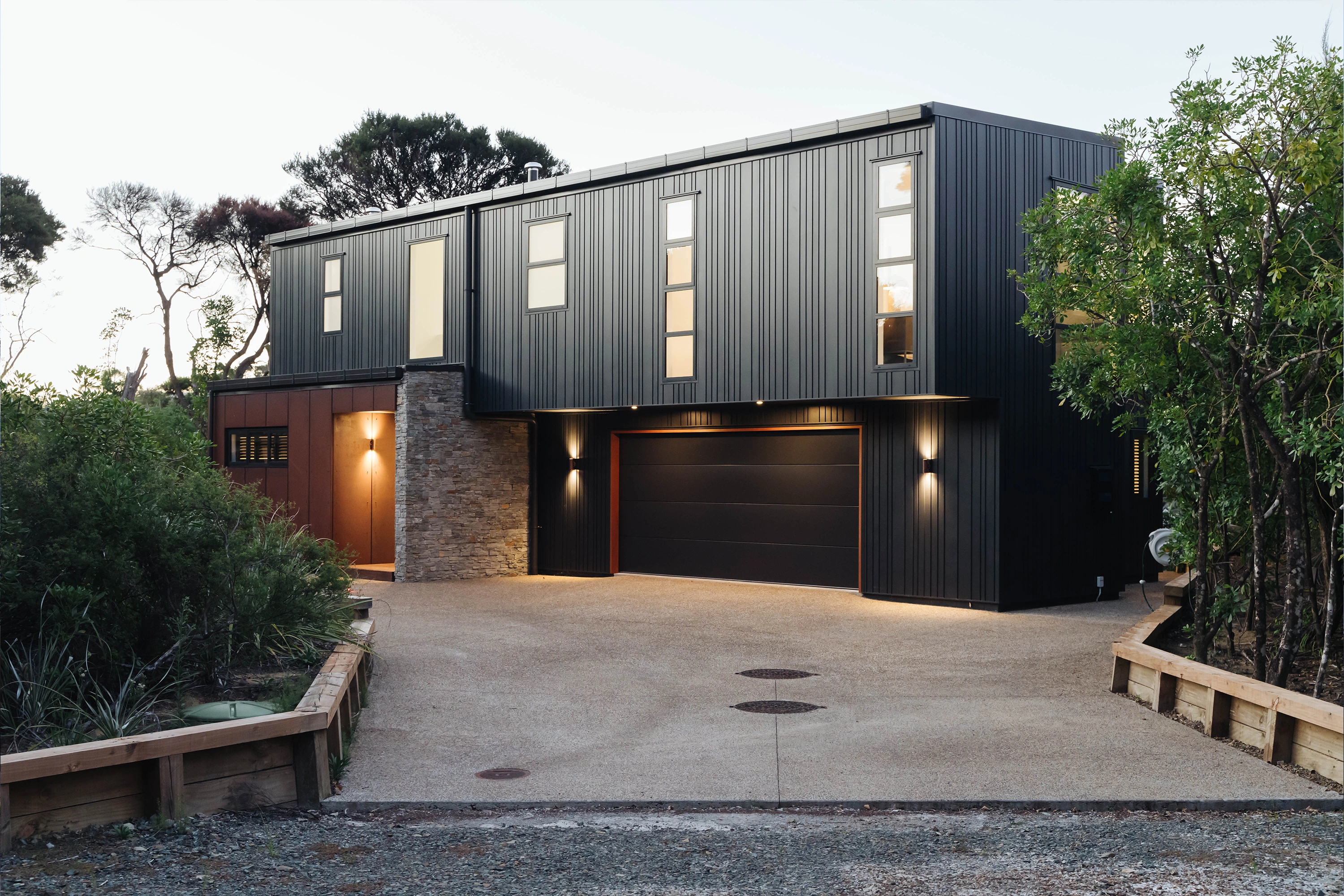
Mangawhai Retreat
View our other environments
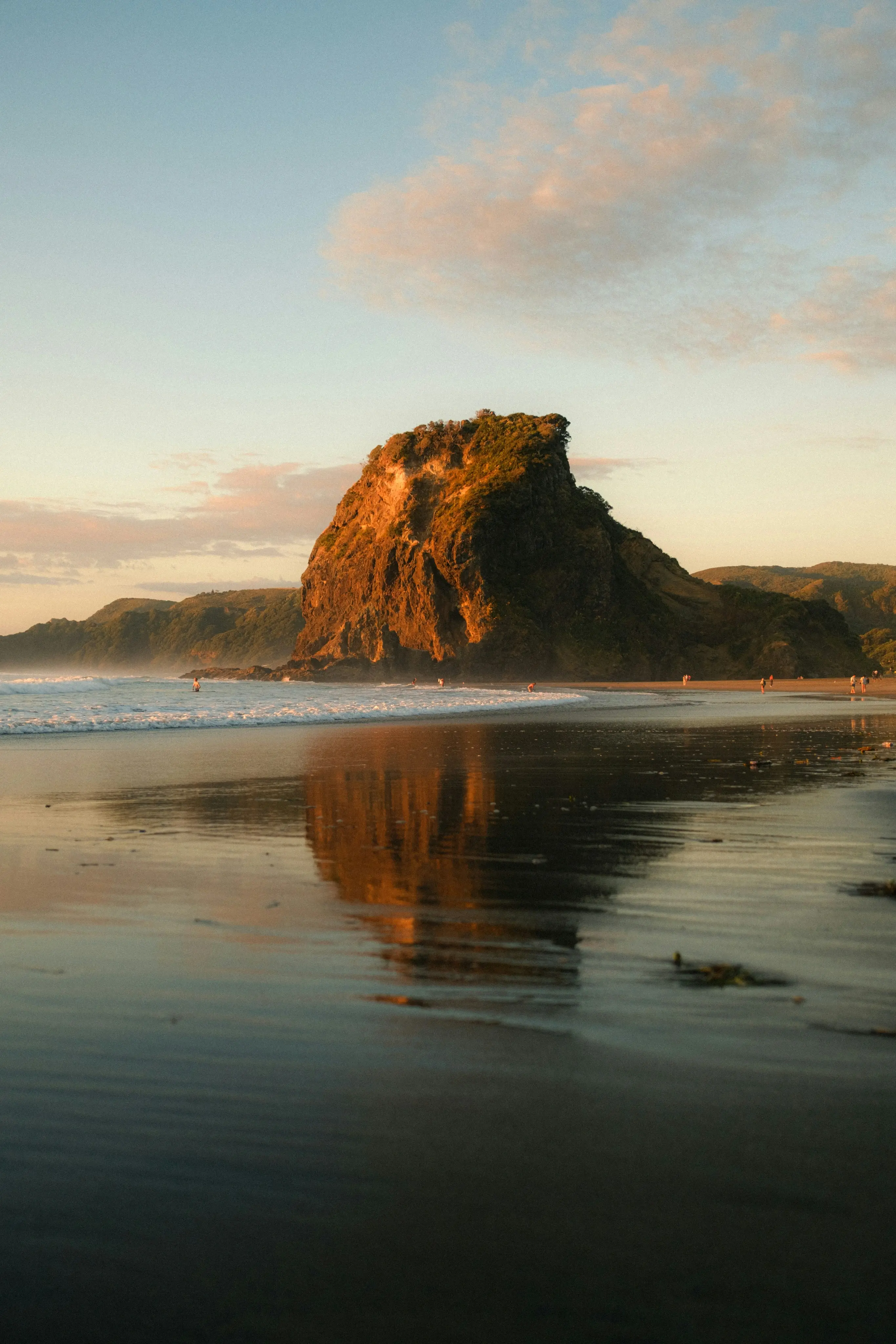
Coastal
Shaped by salt, sun and sea
Coastal architecture must balance beauty with exposure. Colours and finishes are selected to manage intense light, complement natural surroundings and perform in some of New Zealand's harshest environments.
Find out more

Forest
Where bush, birdsong and building meet
Forest environments reward restraint. Earthy colours, soft textures and considered finishes help architecture settle naturally into the landscape while standing up to the demands of life among the trees.
Find out more
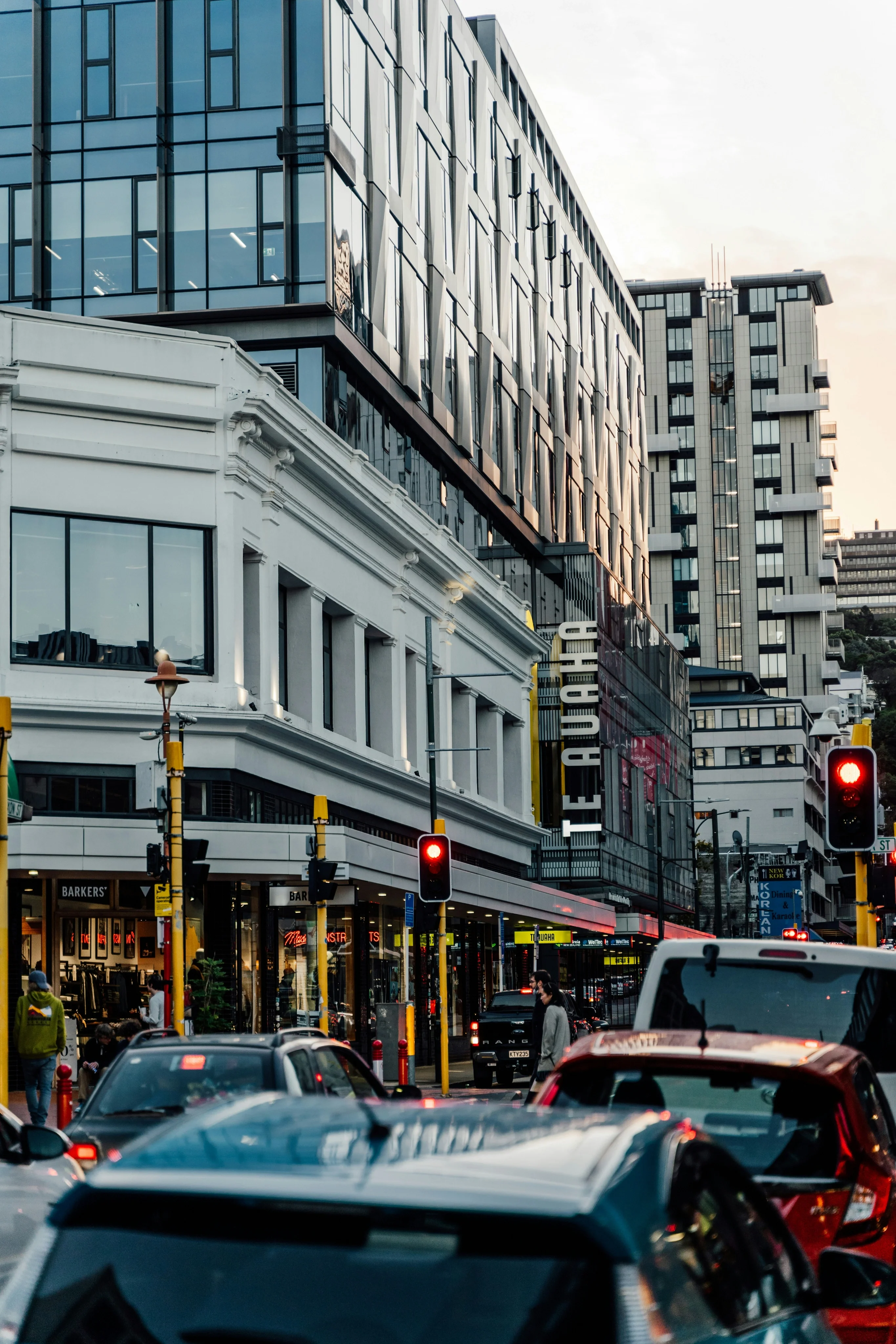
Urban
Where materiality meets modern life
In urban settings, every detail is experiencedup close. Colour, texture and finish work together to create depth, characterand enduring appeal in the places we see every day.
Find out more
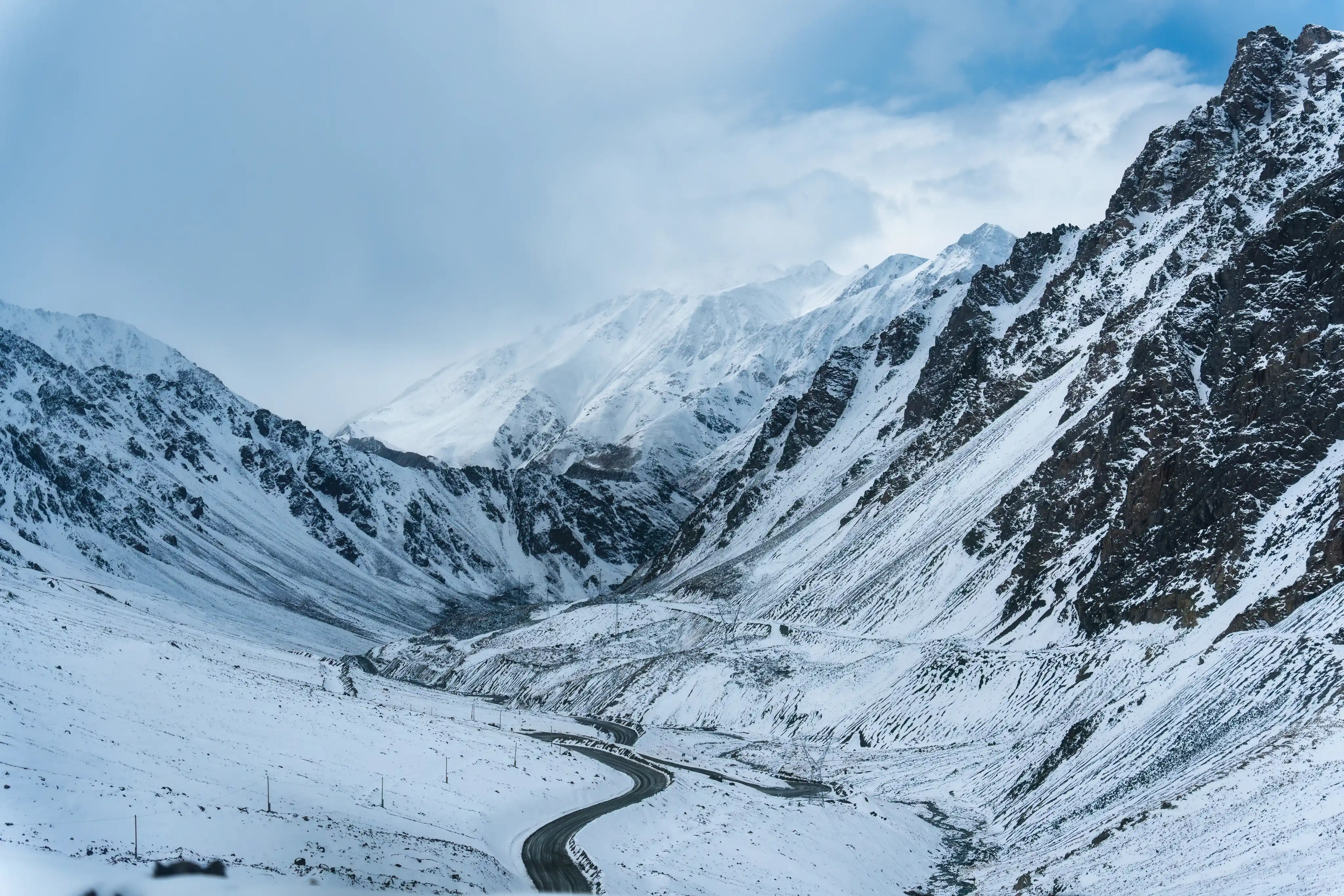
Alpine
Defined by light, landscape and elevation
Alpine environments amplify everything — light, weather and landscape. Colours and finishes are chosen to bring warmth, clarity and lasting performance to architecture shaped by the elements.
Find out more